Opening day of duck season waits for no one. Whether you’re a first-time waterfowl hunter or a seasoned blind-builder, showing up without the right gear means missed birds and a miserable morning. Wetlands are cold, wet, and unforgiving — and your gear needs to match that environment.
This is the complete duck hunting gear list we put together based on what actually matters in the field. We’ve broken it down by category so you can work through it systematically before the season opens.
Priority System
- 🔴 Must-Have — Don’t leave home without it
- 🟡 Recommended — Significantly improves your hunt
- 🟢 Nice to Have — Worth adding if budget allows
🦆 Licensing & Legal Requirements
Before gear, make sure you’re legal.
- 🔴 State hunting license
- 🔴 Federal Duck Stamp (required for all waterfowl hunters 16+)
- 🔴 HIP registration (Harvest Information Program) — free, state-specific
- 🔴 Know your bag limits and shooting hours for your zone
Pro tip: Many states allow digital licenses on your phone. Screenshot it — cell service in a marsh is unreliable.
🔫 Firearms & Ammunition
- 🔴 Shotgun — 12-gauge is the standard for duck hunting. 20-gauge works for close-range puddle ducks
- 🔴 Non-toxic shot — Federal law requires it for waterfowl. Steel, bismuth, or tungsten. Lead shot is illegal
- 🔴 Shot size — #2 or #3 steel for ducks; #BB or #BBB for geese
- 🟡 Choke tube — Modified or Improved Cylinder for steel shot (never Full choke with steel)
- 🟡 Shotgun sling — Hands-free carry into the blind
Ammo note: Buy non-toxic shot early in the season. It sells out fast at most retailers as opening day approaches.
🎯 Optics
You don’t need a rifle scope for duck hunting, but optics still earn their place.
- 🟡 Binoculars — Identify species before the shot and scout birds working the decoys from a distance. Compact 8x42 is ideal for marsh hunting
- 🟢 Rangefinder — Helpful for judging whether birds are in ethical range, especially for longer crossing shots
Browse waterproof, fog-proof binoculars and rangefinders in our hunting gear collection — built for wet-field use.
🦆 Decoys & Calls
This is where duck hunting gets tactical.
Decoys:
- 🔴 Duck decoys — Start with 1–2 dozen mallard decoys. Mallards are the universal “confidence” decoy species
- 🔴 Decoy anchors and lines — Texas or mushroom anchors for current; jerk cords for still water
- 🟡 Motion decoy — Spinning-wing decoys (e.g., Mojo Teal) dramatically increase landing rates, especially early season
- 🟡 Species-specific decoys — Match the ducks you’re hunting (teal, pintail, widgeon, etc.)
Calls:
- 🔴 Mallard hen call — The single most versatile duck call. Acrylic calls carry farther in wind
- 🟡 Teal or wood duck call — For species-specific setups
- 🟡 Electronic caller — Where legal, these dramatically improve calling consistency
👕 Clothing & Layering System
Staying warm and dry in a duck blind is non-negotiable. Waterfowl hunting means cold mornings, standing water, and often rain.
Base Layer (Against Your Skin)
- 🔴 Moisture-wicking base layer — Merino wool or synthetic. Never cotton — it kills in wet cold
- 🔴 Moisture-wicking bottom — Same logic applies below the waist
Our Merino Wool Base Layer Set is built for exactly this — moisture management in wet, cold environments.
Mid Layer (Insulation)
- 🔴 Fleece jacket or insulated mid layer — Traps body heat, breathes, and dries faster than down in wet conditions
- 🟡 Insulated vest — Adds core warmth without restricting your swing
Our Camo Fleece Mid-Layer Jacket and Insulated Hunting Vest work together as a system for cold-weather blind sits.
Outer Layer (Protection)
- 🔴 Waterproof rain shell — Must be waterproof, not just water-resistant. You will get wet
- 🔴 Camo pattern — Marsh-specific patterns (Mossy Oak Bottomland, Realtree Max-5) blend into cattails and standing water better than timber patterns
Our Waterproof Hunting Rain Shell is seam-sealed and lightweight — packable enough to layer over everything else.
Hands & Head
- 🔴 Neoprene or insulated gloves — Trigger finger style so you can shoot without removing them
- 🔴 Fleece or wool beanie — 40% of body heat escapes through your head
- 🟡 Balaclava — For late-season hunts in freezing temps
Our Merino Wool Beanie & Glove Set covers both.
Feet
- 🔴 Waders — Neoprene (3.5mm or 5mm) for cold water; breathable for mild weather. Hip waders work for shallow marshes; chest waders for deeper water
- 🔴 Wading boots — Felt or rubber sole depending on terrain
- 🟡 Wool or synthetic wader socks — Never thin cotton socks in waders
🏕️ Blind Setup & Concealment
- 🔴 Camo face mask or face paint — Ducks have excellent vision. A pale human face stands out
- 🔴 Layout blind or boat blind — Depends on your hunting style (field vs. water)
- 🟡 Blind brush — Natural vegetation to blend your blind into the surroundings
- 🟡 Camo netting — Lightweight, packable, and versatile for improvised hides
💡 Electronics & Lighting
- 🔴 Headlamp — Pre-dawn setup in the marsh requires both hands free. Red light mode preserves night vision
- 🔴 Waterproof flashlight — Backup for navigating to/from the blind
- 🟡 Waterproof phone case — Your phone will get wet. Protect it
- 🟢 Action camera — Mount to your blind or hat to capture retrieves and flush shots
Our Hunting Headlamp has a red-light mode and IPX4 water resistance — made for exactly this.
🐕 Dog Gear (If Hunting With a Retriever)
A well-trained retriever is the most valuable tool in waterfowl hunting.
- 🟡 Neoprene dog vest — Keeps your dog warm in cold water retrieves
- 🟡 E-collar — For off-leash control and recall
- 🟡 Dog blind — Keeps the dog concealed and out of the wind between retrieves
- 🟡 Dog first aid kit — Cuts, thorns, and exhaustion happen in the field
🎒 Pack & Carry
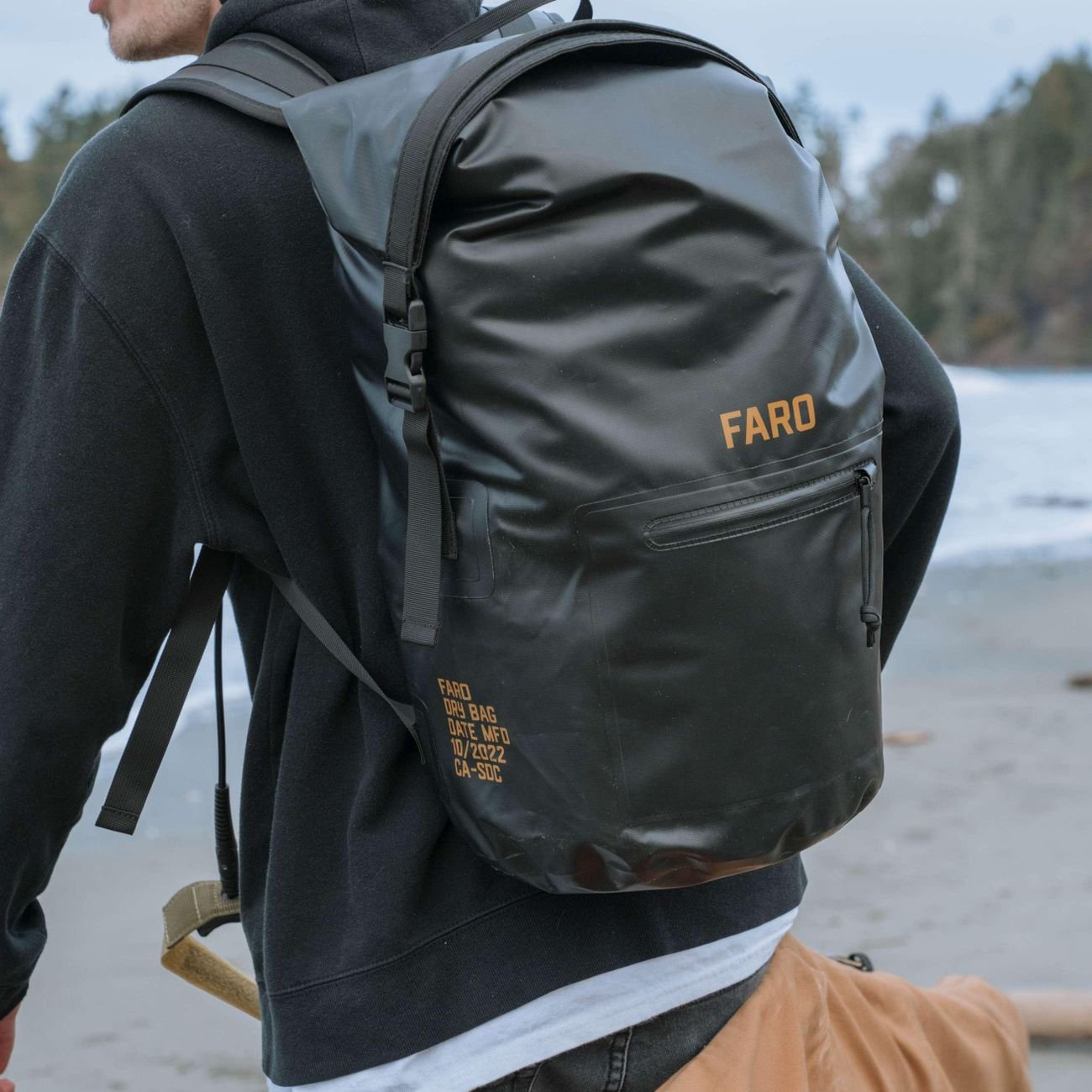
- 🔴 Waterproof blind bag — Keeps calls, shells, snacks, and electronics dry
- 🔴 Shell pouch or vest — Quick reload access
- 🟡 Sled or wheeled cart — For hauling decoys across muddy terrain
⛑️ Safety Essentials
- 🔴 Hunter orange — Required in many states during travel to/from the blind. Check local regulations
- 🔴 Life vest or PFD — If hunting from a boat or floating blind
- 🔴 First aid kit — Compact, waterproof
- 🔴 Fully charged phone — Emergency communication
- 🟡 Compass or GPS — Marshes all look the same in the dark. Don’t rely only on phone GPS
Pick a compact first aid kit that fits in a coat pocket and covers the essentials for a day hunt.
🦆 After the Hunt
- Game bags — Keep harvested birds clean and cool
- Field dressing kit — Knife and gloves for field processing
- Ice chest — Birds should be cooled quickly, especially in early season warmth
Pre-Hunt Checklist (Night Before)
Run through this the night before opening day:
- License + Duck Stamp on phone or in wallet
- Shotgun cleaned and functioning
- Non-toxic shells loaded and in vest
- Decoys counted and anchors packed
- Calls lanyard assembled
- Waders inspected for leaks
- Base layer, mid layer, and shell laid out
- Gloves and beanie packed
- Headlamp charged
- Dog gear loaded (if applicable)
- Blind bag packed with snacks and water
- First aid kit in bag
- Wake-up alarm set (2 hours before shoot time)
Gear Up With Ridgeline
Duck hunting is one of the most gear-intensive forms of hunting — but you don’t need to buy everything at once. Start with the 🔴 must-haves, hunt a few seasons, and add gear based on what you actually find you need in the field.
Browse our full catalog of hunting gear, optics, and cold-weather apparel built for the conditions you’ll actually face in the blind.
Good luck out there — and shoot straight.