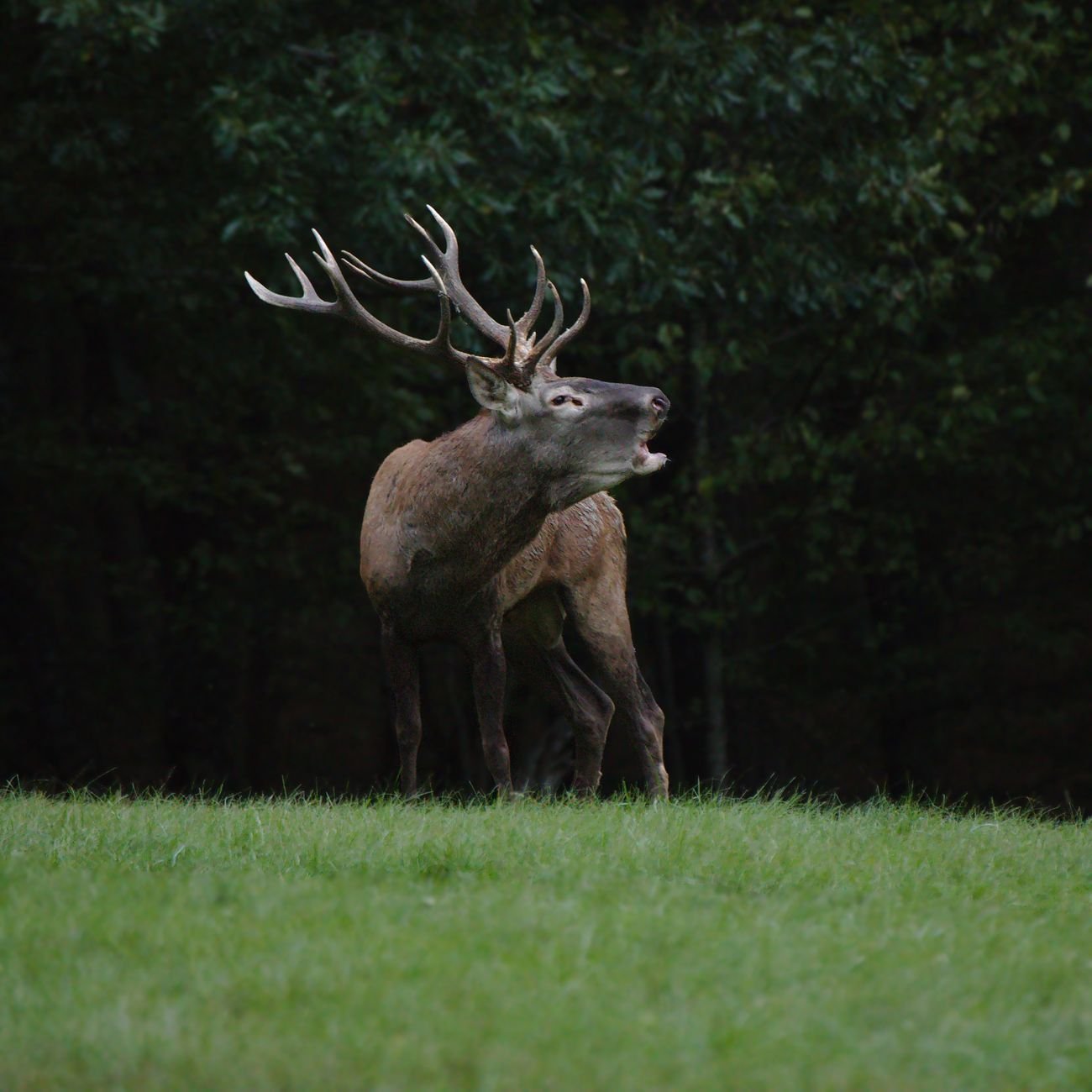
Muzzleloader season is one of the most coveted tags in the whitetail and mule deer world — and for good reason. In most states it falls right during the peak rut, tags are easier to draw than rifle, and the woods are far less crowded. But hunting with a front-stuffer is a different game than rifle season. Your gear list, your strategy, and your shot decisions all change.
This guide covers everything you need to make the most of your muzzleloader tag — from the rifle itself to the clothing on your back.
Priority System
- 🔴 Must-Have — Don’t head afield without it
- 🟡 Recommended — Makes a meaningful difference in success
- 🟢 Nice to Have — Worth adding when budget allows
🔫 The Muzzleloader Setup
Rifle Selection
- 🔴 Inline muzzleloader — The modern standard. 209 primer ignition, stainless or weather-coated barrel, synthetic stock. Models like the CVA Paramount, Traditions Nitrofire, or Knight Mountaineer are popular choices
- 🔴 Caliber — .45 or .50 caliber are most common. Check your state regulations — some states (Colorado, for example) restrict to specific calibers and ignition types during muzzleloader season
- 🟡 Flintlock or sidelock — Required in some primitive weapon seasons. Pennsylvania, Virginia, and a handful of other states have dedicated flintlock-only seasons
Optics
- 🔴 Scope or iron sights — Most inline muzzleloaders come drilled and tapped for a scope. A low-power fixed 3-9x or a variable 2-7x is ideal — you rarely need more than 150 yards of precision
- 🟡 Scope covers — Flip-open lens caps protect your glass from rain and keep your powder dry on the way to the stand
Our Rifle Scope 3-9x40 is dialed for exactly this range — clear glass, solid turrets, and a duplex reticle that works in low-light conditions at dawn and dusk when rut bucks are most active.
⚡ Propellants & Projectiles
Powder / Propellant
- 🔴 Pelletized powder — Hodgdon 777 or Blackhorn 209 pellets are the most consistent and easiest to use in the field. Pre-measured, no flask needed
- 🟡 Loose powder — Requires a powder measure but offers more flexibility in load tuning
- 🔴 Charge — 100 grains (two 50-grain pellets) is the standard starting load for most .50 caliber inlines. Max load varies by rifle — read your owner’s manual
Primers
- 🔴 209 shotgun primers — Standard for modern inline rifles. Keep them in a waterproof primer holder
- 🟡 Primer holder — Keeps primers dry and accessible. Many are wrist-mounted for speed reloading
Projectiles
- 🔴 Saboted bullets — Polymer-tipped saboted bullets (.40 or .45 cal in a .50 cal sabot) offer excellent accuracy and terminal performance. Barnes TMZ, Hornady SST, and PowerBelt are trusted options
- 🔴 Patched round ball — Required for primitive weapon seasons. Takes more practice to shoot accurately at distance
- 🟡 Pre-loaded tubes — Speed loaders that hold a pre-measured powder charge and bullet together. Critical if you need a quick follow-up shot
Cleaning Supplies
- 🔴 Bore solvent — Blackpowder fouling is corrosive. Clean the barrel after every range session and immediately after hunting in rain
- 🔴 Cleaning rod and patches — For field clearing between shots
- 🟡 Breech plug grease — Prevents the breech plug from seizing after a season of use
🎯 Shooting Preparation
Muzzleloaders are single-shot weapons. That changes everything about how you approach shot selection.
- 🔴 Range time before season — Zero your rifle at 100 yards minimum. Know your hold-over at 150 yards
- 🔴 Shoot in field conditions — Practice from shooting sticks, kneeling, and sitting. You won’t always have a benchrest in the woods
- 🟡 Shooting sticks or bipod — Muzzleloaders are heavier than centerfire rifles and harder to hold steady offhand. A quality pair of shooting sticks pays off at 100+ yards
- 🟡 Chronograph your load — Know your muzzle velocity. Apps like Hornady 4DOF or Applied Ballistics can build a drop chart for your exact load
👕 Clothing for Muzzleloader Season
Muzzleloader seasons typically run October through early December depending on your state — which means you’re hunting in cold mornings, temperature swings, and often rain or snow. The rut also means more walking. Your clothing system needs to handle both sitting cold and moving warmth.
Base Layer
- 🔴 Merino wool or synthetic base layer — Manages sweat on the walk-in and keeps you warm during stand sits. Never cotton
- 🔴 Moisture-wicking bottoms — Same principle
Our Merino Wool Base Layer Set is the foundation of any cold-weather hunting system. It regulates temperature whether you’re still or moving.
Mid Layer
- 🔴 Fleece jacket — Quiet, breathable, and warm. Critical for morning stand sits before the sun comes up
- 🟡 Down or synthetic vest — Adds core warmth while keeping your arms free for the trigger pull
- 🟡 Wool or fleece pants — For cold-weather sits
Our Camo Fleece Mid-Layer Jacket is the workhorse of the mid-layer system — silent in the brush and warm enough for late October mornings.
Outer Layer
- 🟡 Windproof/waterproof shell — Muzzleloader season means wet weather. A shell that blocks wind and sheds rain keeps your base and mid layers doing their job
- 🔴 Camo pattern — Late-season patterns (bare timber, gray/brown tones) blend better than early-season green patterns once the leaves drop
Our Waterproof Hunting Rain Shell packs down small and layers easily over your mid layers on cold, wet days.
Hands & Head
- 🔴 Insulated gloves — Trigger-finger style. Cold hands cause flinching and missed shots
- 🔴 Fleece or wool beanie — For stand sits in cold weather
- 🟡 Hand warmers — Single-use or rechargeable. Slip them in your gloves or chest pocket for extended sits
Our Merino Wool Beanie & Glove Set covers both. Our Hand Warmer Bundle is worth every dollar on a 20-degree November morning.
Feet
- 🔴 Insulated hunting boots — 400–800g Thinsulate for October; 800–1200g for November and December depending on your climate
- 🔴 Wool or synthetic boot socks — Moisture-wicking and warm. Two pairs minimum
- 🟡 Boot blanket or toe warmers — For long sits in extreme cold
🌄 Scouting & Field Gear
Glass
- 🟡 Binoculars — Essential for glassing field edges and timber before you move in. Saves you from bumping deer during approach
- 🟡 Spotting scope — For western mule deer muzzleloader hunts where long-range glassing is required
Our Spotting Scope 20-60x80 is ideal for mule deer hunters glassing basins and ridgelines.
Trail Cameras
- 🟡 Trail camera — Pattern bucks leading into the rut. Muzzleloader season often overlaps peak rut activity — a well-placed camera tells you where the shooter bucks are moving
- 🟡 Cellular trail camera — Remote image delivery so you can check activity without disturbing your stand site
Look for a camera with a no-glow flash and a trigger fast enough that it won’t alert rut bucks to your presence. Browse options in our hunting gear collection.
Rangefinder
- 🔴 Rangefinder — Know your exact distance before the shot. Muzzleloaders have a steeper trajectory than centerfire rifles — every yard matters past 100
A rangefinder with angle compensation gives you instant, accurate readings on every shot. See our options in the hunting gear collection.
🏕️ Stand & Access Gear
- 🔴 Safety harness — If hunting from a treestand, a harness is non-negotiable. More hunters are injured falling from stands than by firearms
- 🔴 Haul line — Never climb with a loaded muzzleloader. Use a haul line to lift the rifle once you’re in position
- 🟡 Ground blind — Muzzleloader’s long barrel makes treestand shooting angles trickier. A ground blind with shooting windows can be easier to work from
- 🟡 Scent control — Rut or not, mature bucks use their nose. Scent-free spray, cover scents, and wind awareness all help
💡 Lighting
- 🔴 Headlamp — Pre-dawn entry and post-sunset exit. You will be walking in the dark
- 🟡 Red or green light mode — Preserves night vision and doesn’t alert deer at last light
Our Hunting Headlamp has multiple light modes and a runtime long enough for a full day afield.
⛑️ Safety & Emergency
- 🔴 First aid kit — Pack a compact kit every time you’re afield
- 🔴 Fully charged phone — Emergency communication. Download offline topo maps before you go
- 🟡 Emergency whistle — Audible for up to a mile if you need rescue
- 🟡 Fire starter — If you get turned around in cold weather, fire is survival
🦌 After the Shot
A muzzleloader is a single-shot weapon. Once you fire, you have a window before you can reload — which means shot placement is everything.
- Wait — Give the deer time after the shot before following up. A well-hit deer will expire within 100 yards if not pushed
- Mark the spot — Mark where the deer was standing with a piece of flagging before you move in
- Field dressing kit — A sharp knife and latex gloves. Gut the deer as quickly as possible, especially in warm weather
- Game bags — Keep the meat clean and cool
- Drag rope or cart — Have a plan for getting the deer out before you shoot it
Muzzleloader Season Pre-Hunt Checklist
Run through this the night before:
- Rifle cleaned and bore patched dry
- Powder charges measured and in speed loaders
- Primers in waterproof holder
- Bullets and sabot starters packed
- Scope zeroed at 100 yards
- Safety harness inspected
- Haul line in pack
- Base layer, mid layer, and shell laid out
- Gloves, beanie, and hand warmers packed
- Headlamp charged
- Rangefinder battery fresh
- Trail camera checked (if using)
- License and tag in pocket
- First aid kit in pack
- Emergency contact notified of your location
One Shot. Make It Count.
Muzzleloader season is as close to a fair-chase experience as modern deer hunting gets. One shot, one opportunity, and a buck that’s been on alert all of rifle season. Get your gear dialed in before opening day so when the moment comes, your only job is the shot.
Browse our full selection of hunting optics, cold-weather layering gear, and field essentials — everything on this list, in one place.
Good luck this season.